xaviergut
Well-Known Member
- Joined
- Mar 22, 2023
- Messages
- 1,401
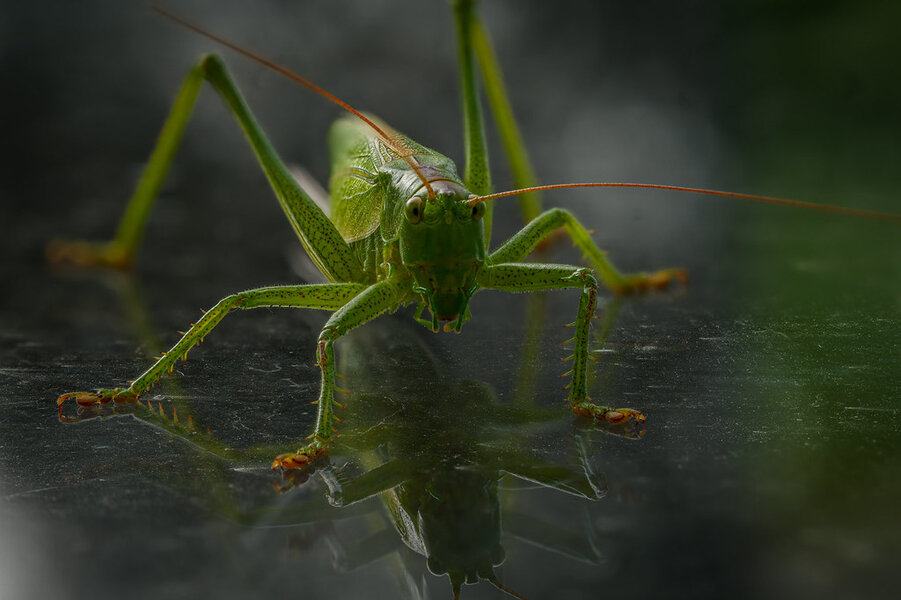
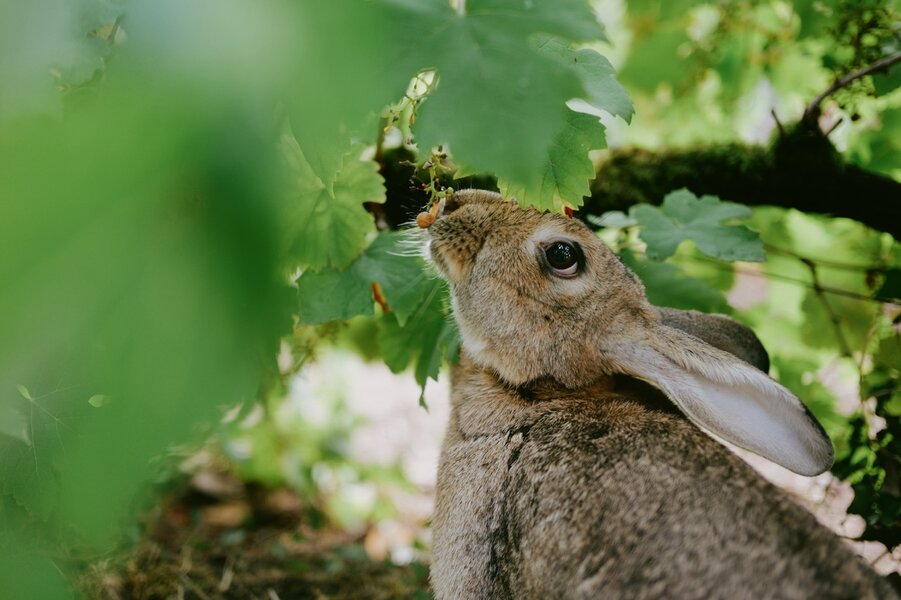
In camera focus stacking with the Panasonic DC-S1RM2 + LUMIX S 100/F2.8 MACRO @ ƒ/8.0 - 1/160 - ISO 250


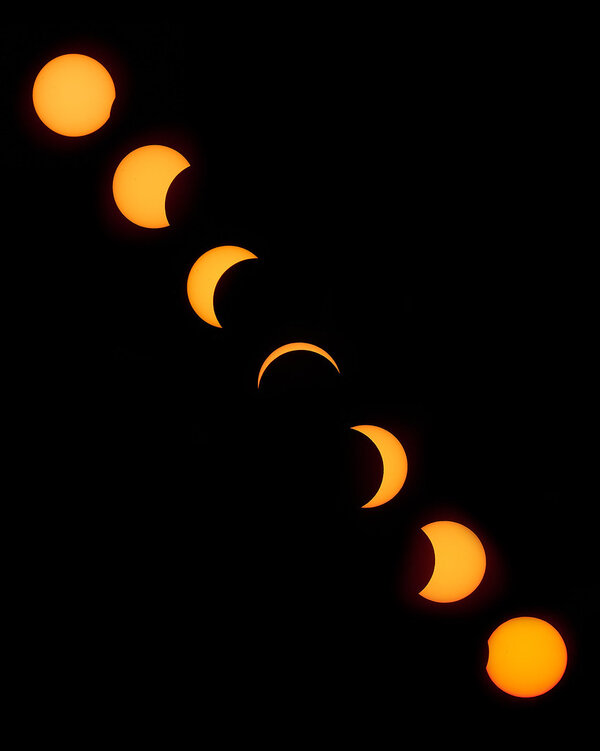


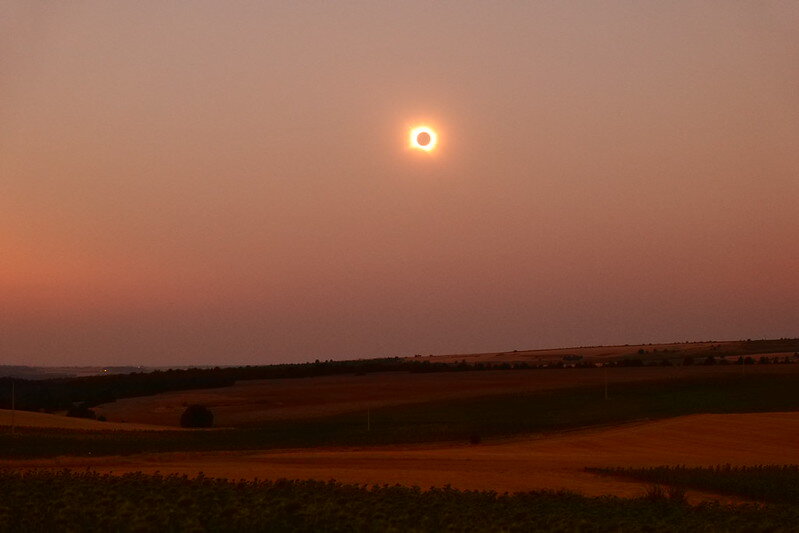
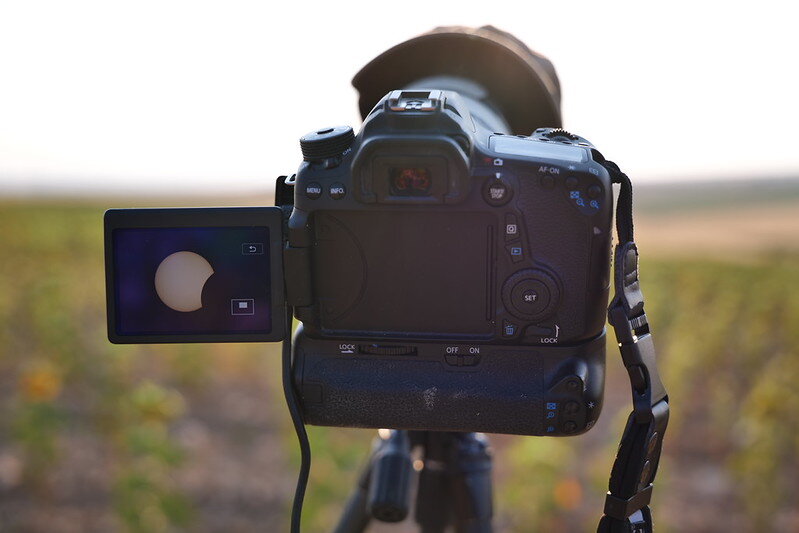
 I was really scared of burning out the sensor and the magnifying glass effect that burns the sensors using the Sigma 100-400mm telephoto lens, so I went crazy in Vienna to get a solar filter. They were sold out in every store except United Camera, where I bought a 20-stops Haida (ND1000000). Even the Baader Astrosolar sheets were sold out and when I went to the only telescope shop in Vienna the last three were already reserved. There was a line of people about 100 meters long in the sun, waiting to buy special sunglasses to see the eclipse... I was given some rolls that I had to cut to make a homemade sunscreen and protect the camera sensor, but it didn't offer me much confidence. So I decided to use the 20-step Haida that served its role...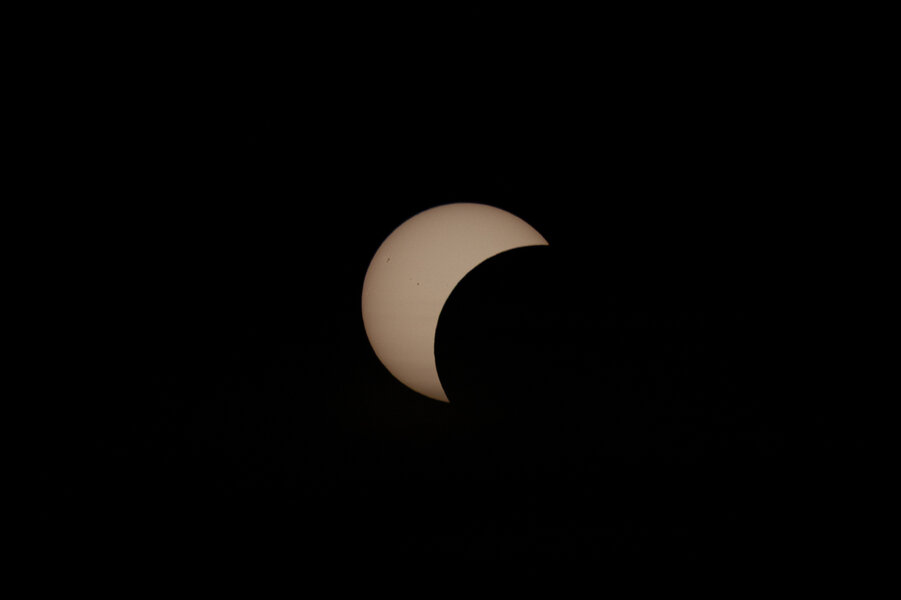

Yes, only the first photo was taken with the solar filter. For the second was impossible to find the sun with the solar filter attached... Maybe I use it for the next eclipse in Spain next year...Well at least you got something.
I watched an eclipse photography tutorial about ten days ago where they discussed filters and concluded that 1,000,000 (20 stops) was too high in this case because the sun would be very low. For an eclipse that's higher in the sky it would be fine.

Well I hope you're feeling rich if you're heading to Cadiz for the 2027 eclipse - I just had a look on a well-known site and the cheapest I found for two adults and two kids was 4000€ for three nights. There is an 81m2 holiday home available for a cool 29,000€ and it's not the only one around that price...Yes, only the first photo was taken with the solar filter. For the second was impossible to find the sun with the solar filter attached... Maybe I use it for the next eclipse in Spain next year...
The world is crazy!!the cheapest I found for two adults and two kids was 4000€ for three nights
I have some friends in La Mancha... it could be a good excuse hahahahaToledo, which is just inside the "totality" band while it will last around seven minutes in Albacete

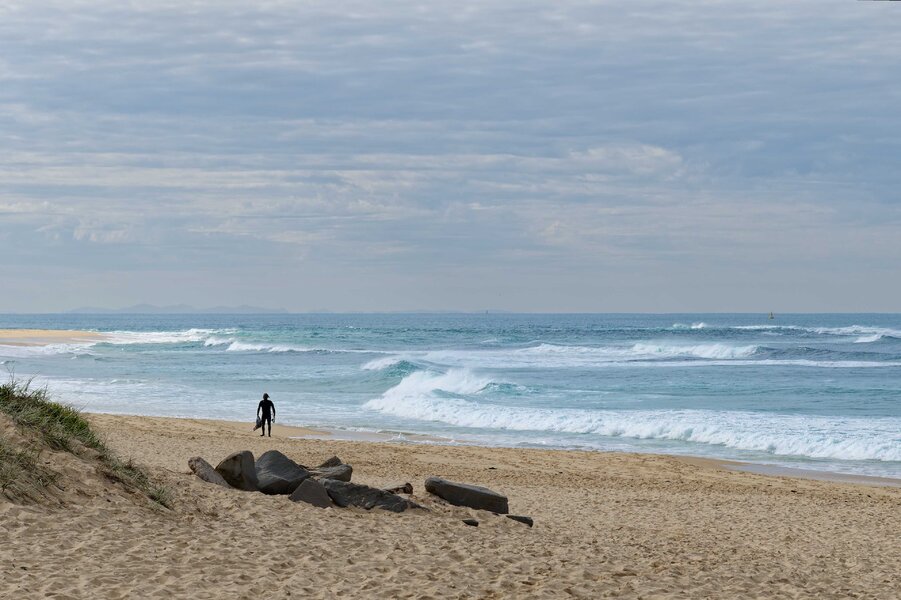
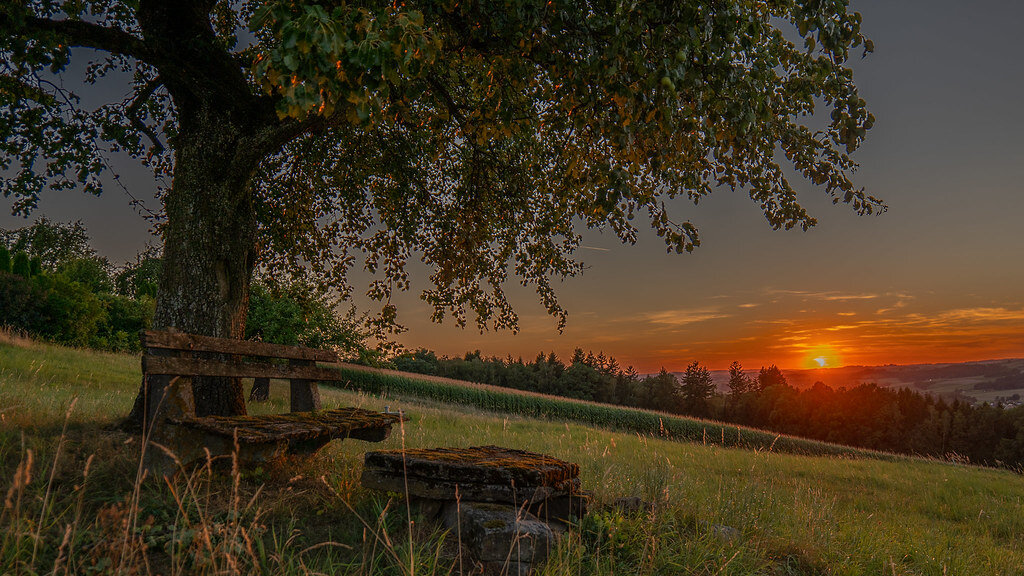
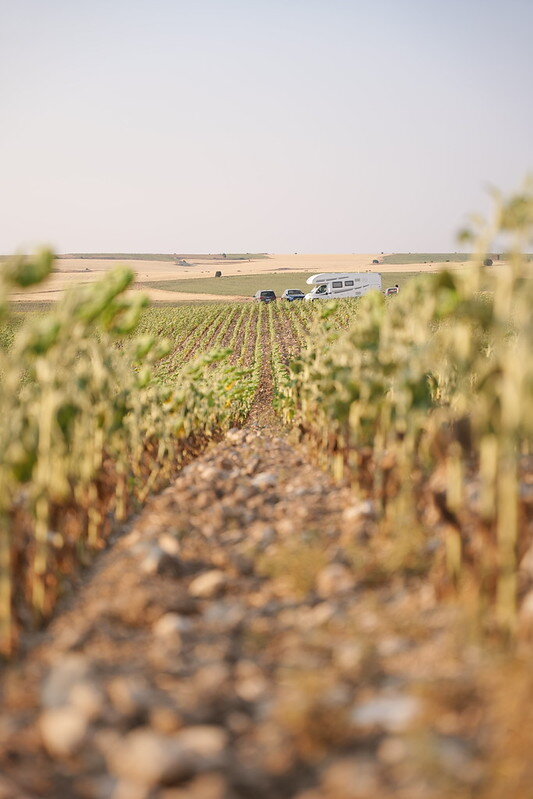
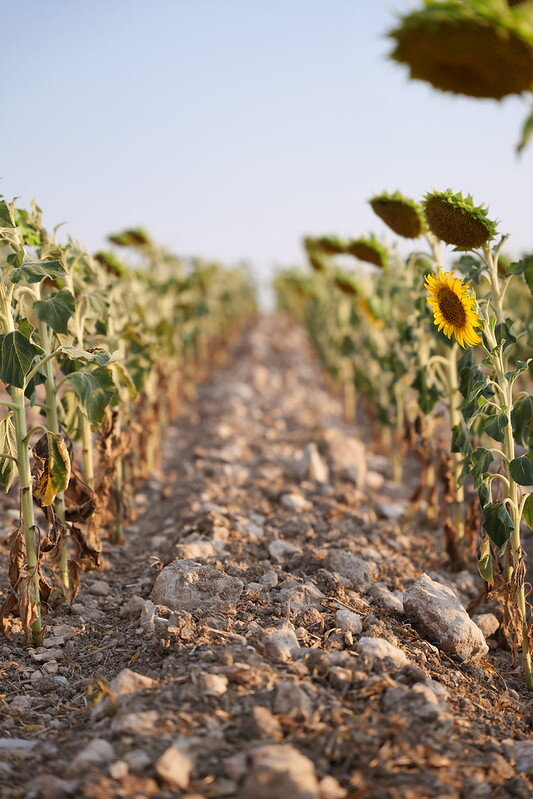
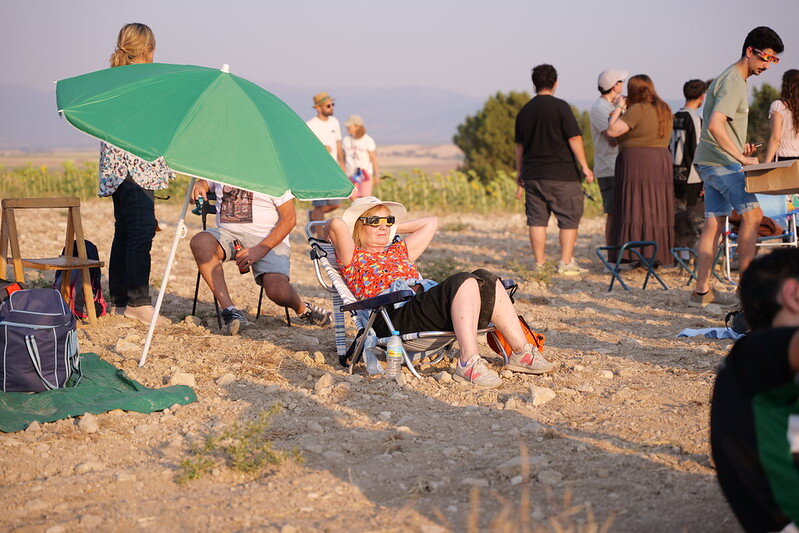
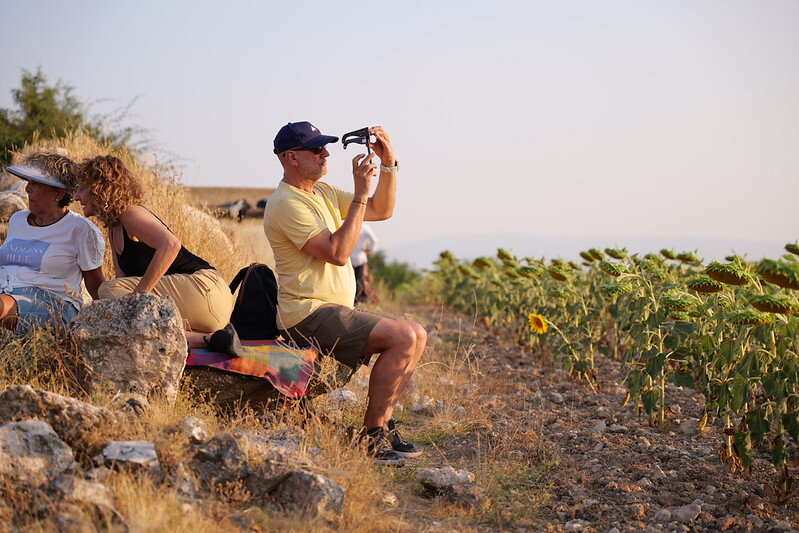

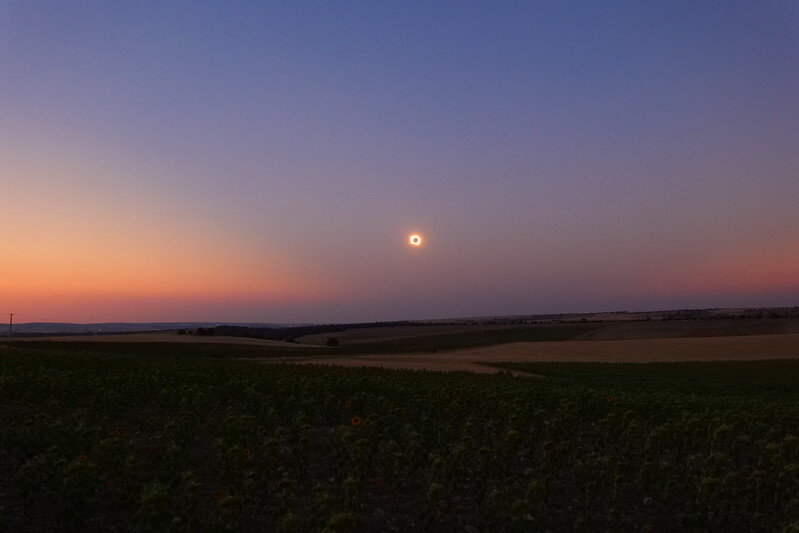

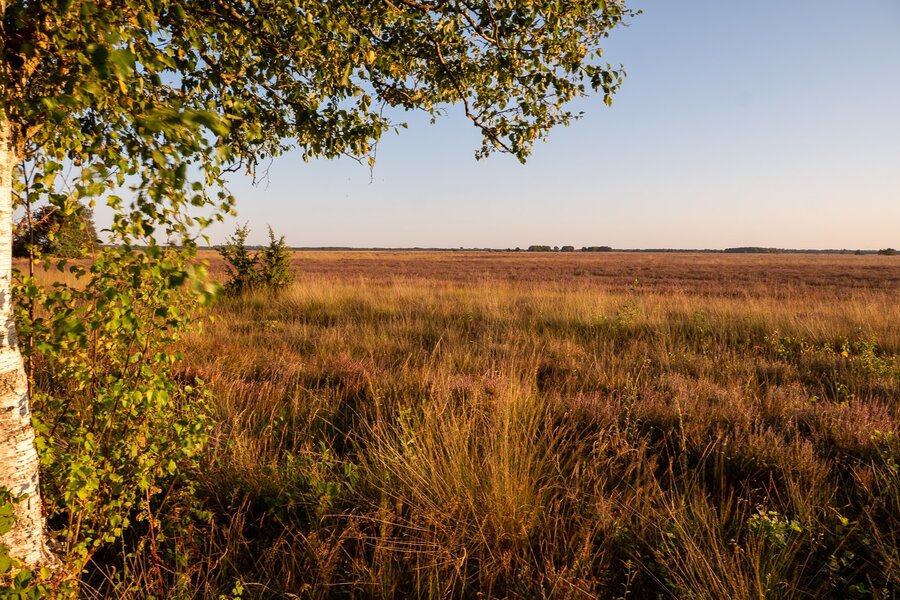
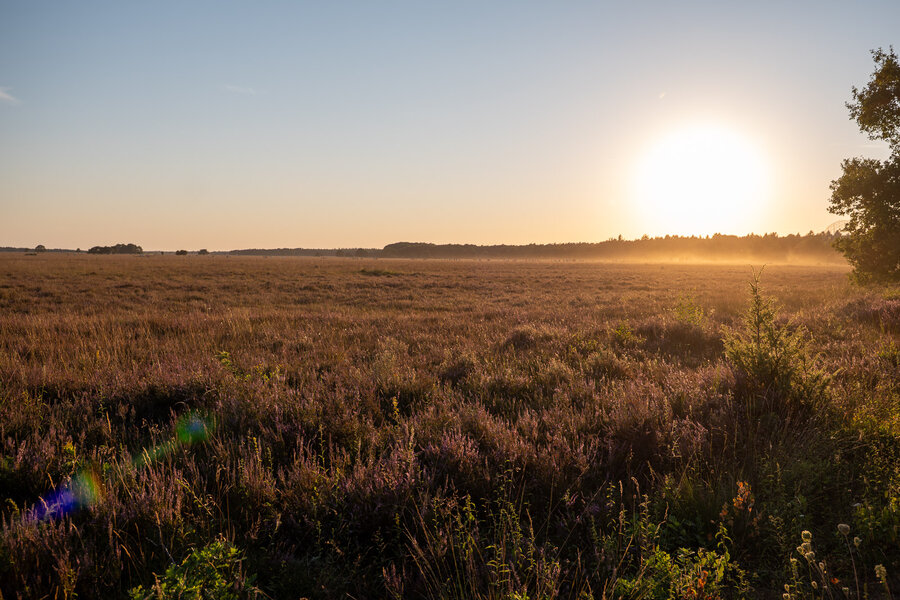
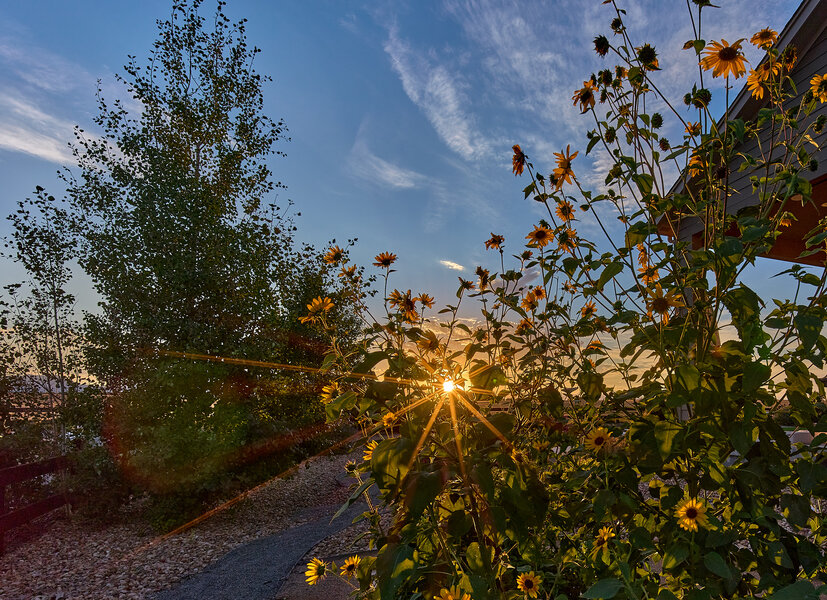
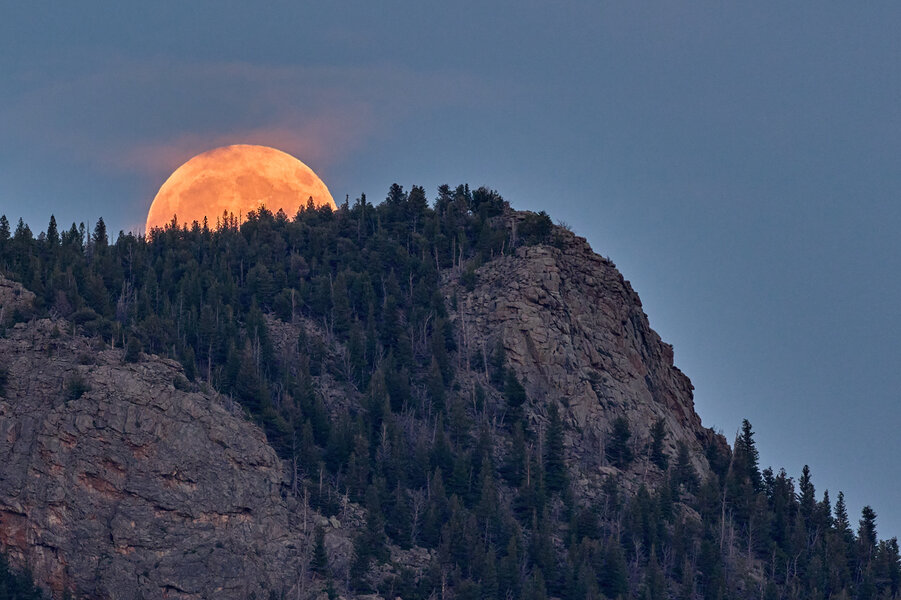

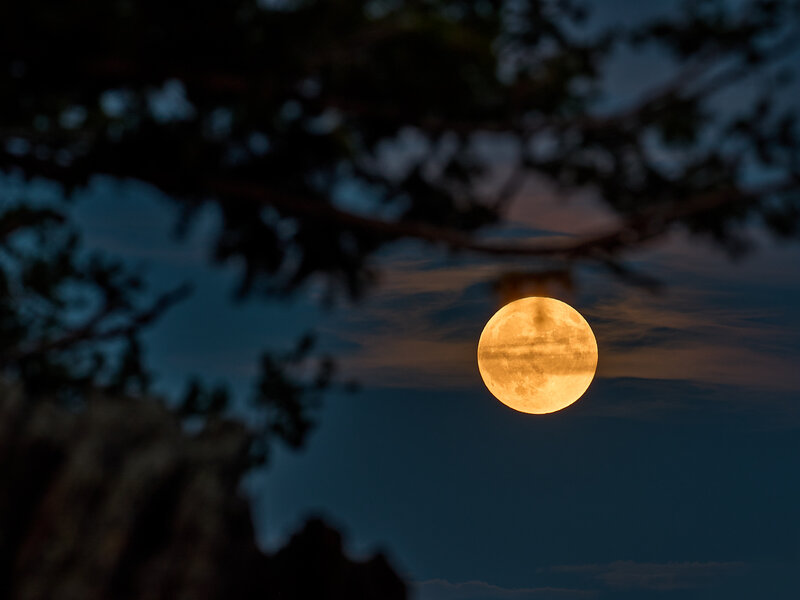
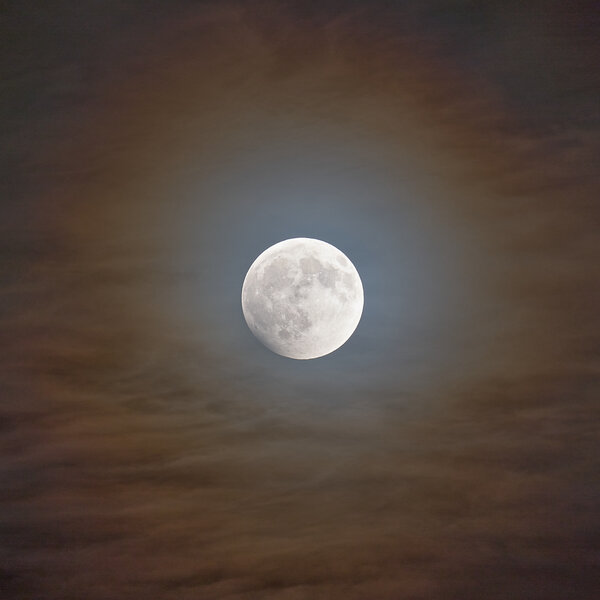
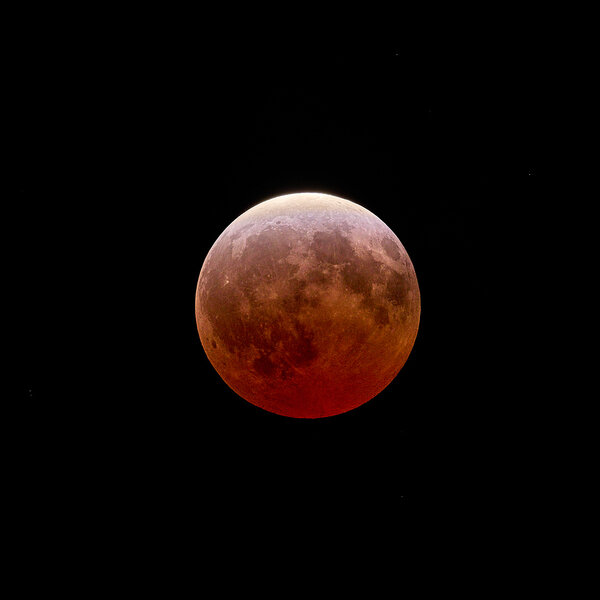
Excellent!! Is the last one in the shadow of the eclipse?Here are some images I created of the moonrise and subsequent partial lunar eclipse of Aug 27. These were captured in Rocky Mountain National Park, from the Many Parks Curve parking area, for those of you familiar with RMNP. All were captured with the Sigma 500/5.6. All from a single image.
View attachment 18197
View attachment 18198
View attachment 18199
View attachment 18200
View attachment 18201